Center Personnel
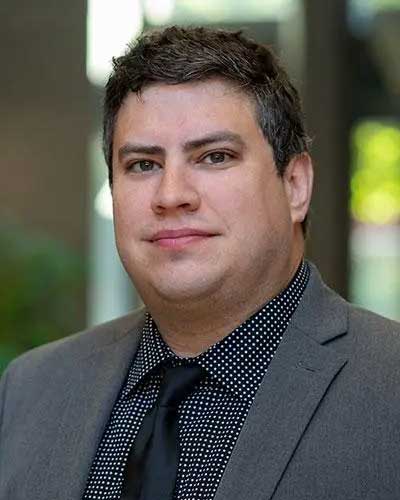
Dr. Scott Berry is an Associate Professor of Mechanical and Aerospace Engineering at the University of Kentucky. Dr. Berry has been developing molecular assays for the purpose of detecting disease for the last 13 years. He has led many collaborative studies involving engineers, scientists, biologists, clinicians, and public health experts spanning multiple countries as well as the interfaces between academia, industry, and government.
Dr. Berry is both the Center Director and the head of the Environmental Surveillance for Everyone (ESE) research area.
James Gallimore
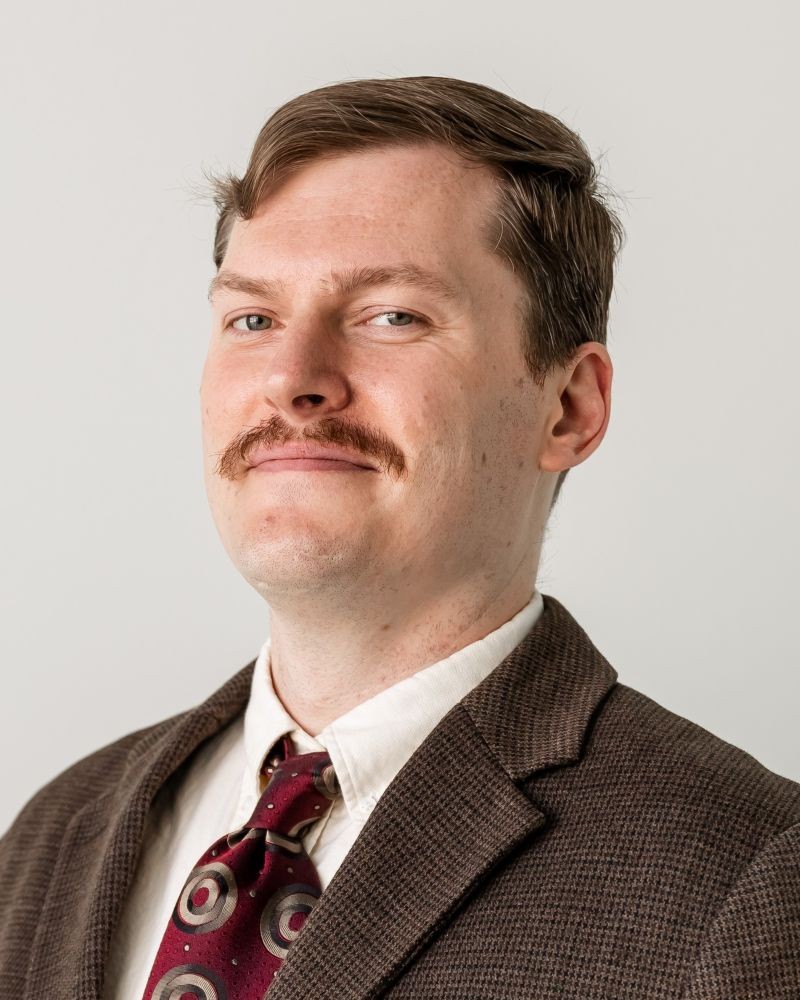
James Gallimore works for the University of Kentucky as the Project Manager for ESCAPE. He has 10+ years of project management experience and has previously managed projects for U.S. Air Force and the National Geospatial-Intelligence Agency. James assists the Center with a variety of functions and works as a liaison between Center researchers and the project sponsor, the National Science Foundation.
James serves as the administrative and reporting focal point for the Center.
Leading the Center’s Work
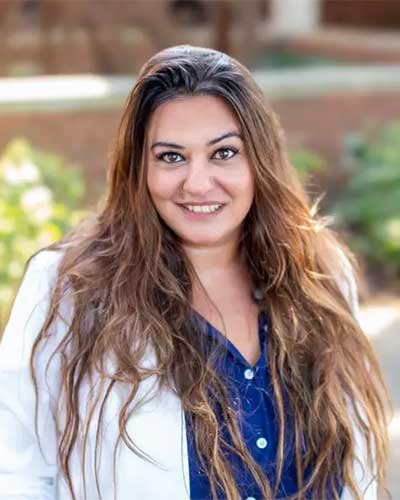
Dr. Sahar Alameh will be heading Education, Training, and Outreach activities for the center. Dr. Alameh is an Assistant Professor of STEM Education at the University of Kentucky with applied experience in K-12 and higher education digital and print curriculum and lesson design. Her research is largely focused on supporting students in developing informed views of the nature of science and the practices of scientists, particularly during challenging times like pandemics and environmental emergencies.
Dr. Alameh leads the Broader Impacts (BI) research area for ESCAPE.
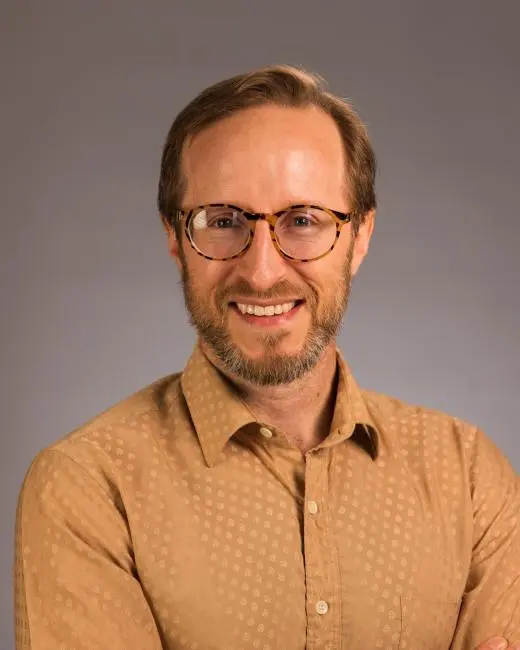
James Keck
Dr. James Keck will be heading Pandemic ESCAPE’s Community Science research area. He is an Adjunct Research Professor at the University of Alaska-Anchorage, Research Physician with the Alaska Native Tribal Health Consortium, and guest researcher at the Arctic Investigations Program of the CDC. Dr. Keck is a physician scientist and epidemiologist with expertise in infectious disease surveillance, mixed methods research, and the health of remote, rural, and Tribal communities.
Dr. Keck is the lead of the Community Science (CS) research area.
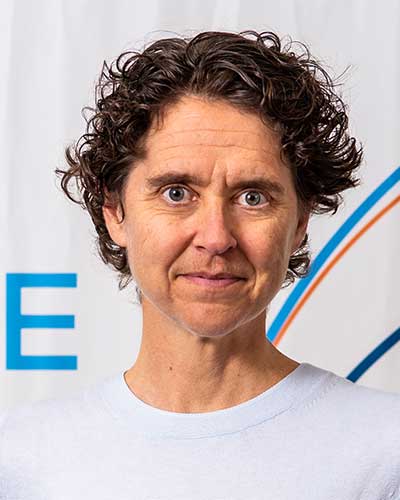
Dr. Sarah Olson is the Director of Health Research for the Wildlife Conservation Society (WCS), one of Pandemic ESCAPE’s key non-profit partners. Dr. Olson is trained in environmental research and public health and her career has focused on frontline wildlife conservation and One Health challenges. She leads multi-site research focused on understanding and mitigating wildlife health and zoonotic disease threats, often associated with anthropogenic drivers, and helping grow sustainable and effective environmental surveillance systems with communities and protected areas.
Dr. Olson is the head of One Health for ESCAPE.
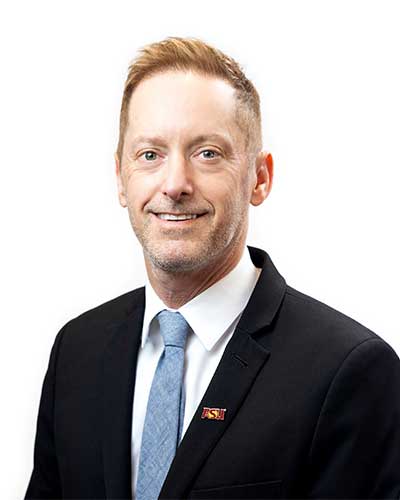
Dr. Matthew Scotch heads the Data to Decisions research area. Dr. Scotch is a Professor of Biomedical Informatics at Arizona State University and Assistant Director of the Biodesign Center for Environmental Health Engineering. Dr. Scotch is an expert in genomic epidemiology, bioinformatics, and public health. He focuses on pathogenic RNA viruses with a particular interest in influenza A viruses (human and avian).
Dr. Scotch will be heading up the Data to Decisions (D2D) research area.
Providing Project Specific Support

Laura Eichelberger
Dr. Laura Eichelberger is a Medical Anthropologist at the Alaska Native Tribal Health Consortium. Dr. Eichelberger’s research embraces community engagement and co-production of knowledge in Tribal communities.
She has studied community pandemic experiences, vaccine hesitancy, and water and sanitation through multiple NSF and NIH-funded projects.
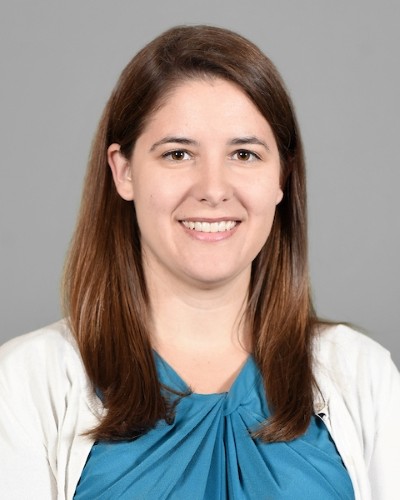
Dr. Kerry Hamilton is an Associate Professor of Environmental Engineering at ASU with a joint appointment in the Biodesign Center for Environmental Health Engineering. Her research quantifies pathogen fate and transport in the environment using culture-based and molecular assays and uses risk and decision science tools to link environmental monitoring with population health outcomes and disease mitigation strategies.
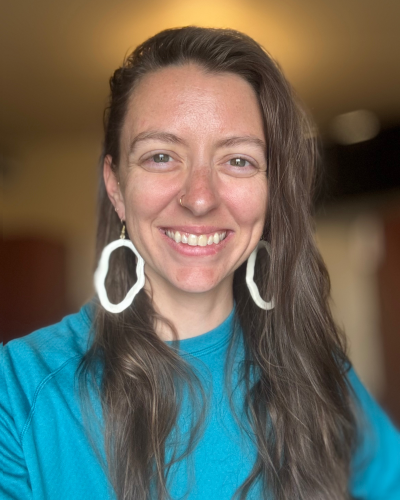
Michelle Johannsen
Dr. Michelle Johannsen, One Health Research Coordinator for WCS Arctic Beringia, brings interdisciplinary biological expertise to ESCAPE, alongside trusted relationships with community experts, leaders, and cultural practitioners across rural Alaska. Her trust-based and community-centered approach provides an essential foundation to adapt ESCAPE technologies to meet community needs, address communication challenges, and deliver rapid and informative results for community decision-making.
With her interdisciplinary experience she works to match the innovative technologies developed by the ESE and D2D teams with community partners that stand the most to benefit from the development of tools to provide near-real time pathogen detection and results communication.
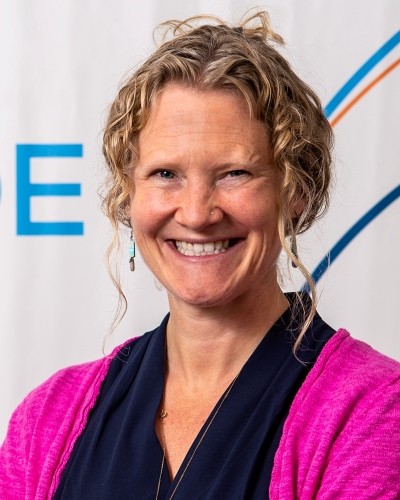
Dr. Lucy Keatts brings ESCAPE expertise in One Health approaches for surveillance at high-risk interfaces for pathogen spillover, including biosafe animal and environmental sampling and sample management; disease detection, analysis and response; and capacity building for local partners in associated topics. Within the ESCAPE project, Dr. Keatts advises on wildlife market surveillance in Indonesia and ensures that environmental surveillance approaches are implemented safely, ethically, and effectively.
Her experience integrating wildlife surveillance into health systems directly supports ESCAPE‘s goal of building globally compatible pathogen detection and preparedness frameworks.
Elizabeth Loh
Dr. Elizabeth Loh is a member of the Education & Training team for ESCAPE.
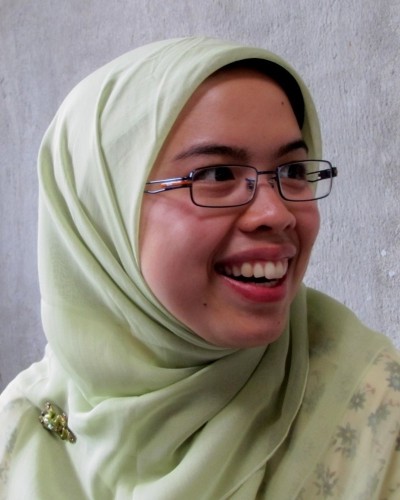
Ulfah Mardhiah
Dr. Ulfah Mardhiah is the lead of the Science and Technology Unit in WCS Indonesia, with over a decade of experience on ecology and statistical analysis. She focuses on using advanced statistical analysis to tackle biodiversity conservation challenges, including understanding the wildmeat consumption in Indonesia and mapping spillover risks along the wildmeat trade supply change. Within ESCAPE, Dr. Mardhiah is leading and coordinating the research work in Indonesia, particularly to understand implementation probability of community pathogen surveillance in North Sulawesi, Indonesia and assessing the effectiveness of the pathogen detection portable tool near wildlife markets.
Her experience is helping ESCAPE bridge research to useful and meaningful implementation on the ground.
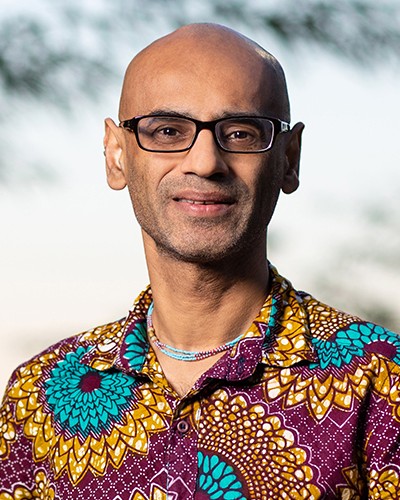
Dr. Arvind Varsani is a Professor at Biodesign Center for Fundamental and Applied Microbiomics and School of Life Science, ASU. He is a molecular virologist who works across ecosystems from plants to animals and from the tropics to polar regions.
His research uses a combination of traditional virology, microscopy (including transmission electron microscopy), molecular and cellular biology techniques in conjunction with modern sequencing techniques, synthetic biology and bioinformatics to characterize viruses and understand their dynamics.