
Our Approach
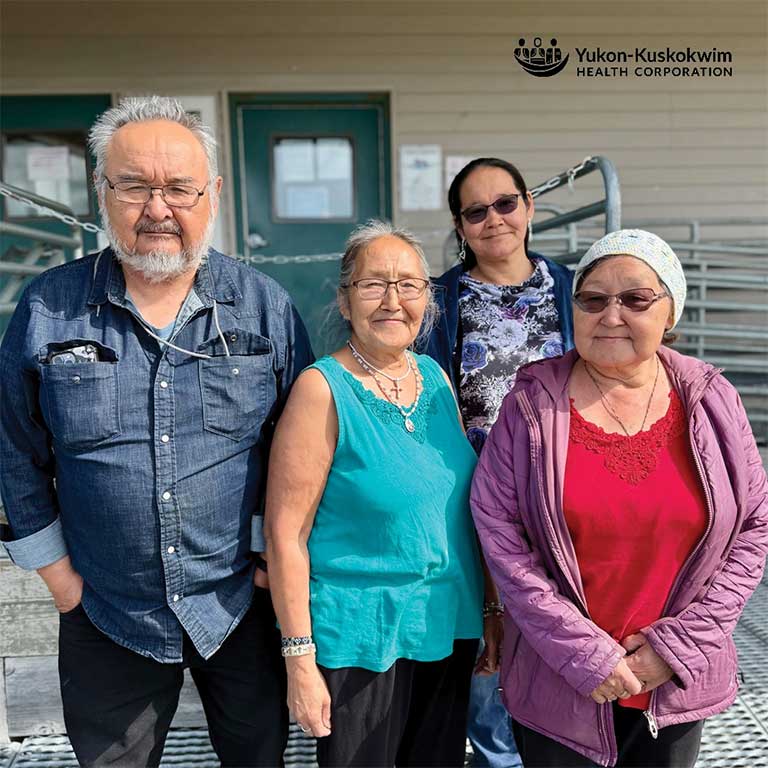
The Community Science research team will use a co-productive approach and participatory methods to engage communities in ES and to translate Environmental Surveillance for Everyone (ESE) and Data to Decisions (D2D) across three socio-epidemiologic contexts: rural Alaska, Kentucky, and Indonesia. Our team will focus on human-environment relationships known to be possible sources of spillover and pathogen exposure (interactions with wild animals through hunting and/or wet markets, water insecurity/untreated water consumption and flooding). This participatory community science approach will enable the Center to integrate, test, and adapt the environmental assays created by the ESE team and the analytical tools developed by the D2D team.
The Community Science team will expand previous work in participatory disease surveillance to generate new sources of pandemic intelligence and actionable community data to support pandemic prevention, response, and mitigation. We envision engagement through a co-production process, partnering with the communities throughout all stages of the project. A truly co-productive process ensures that all relevant knowledge systems and knowledge holders are afforded equitable space, respect, responsibilities, and decision-making power throughout the life of a research project. By bringing Western science, community, and Indigenous perspectives together, we will attempt to create enhanced and novel understandings of environmental surveillance.